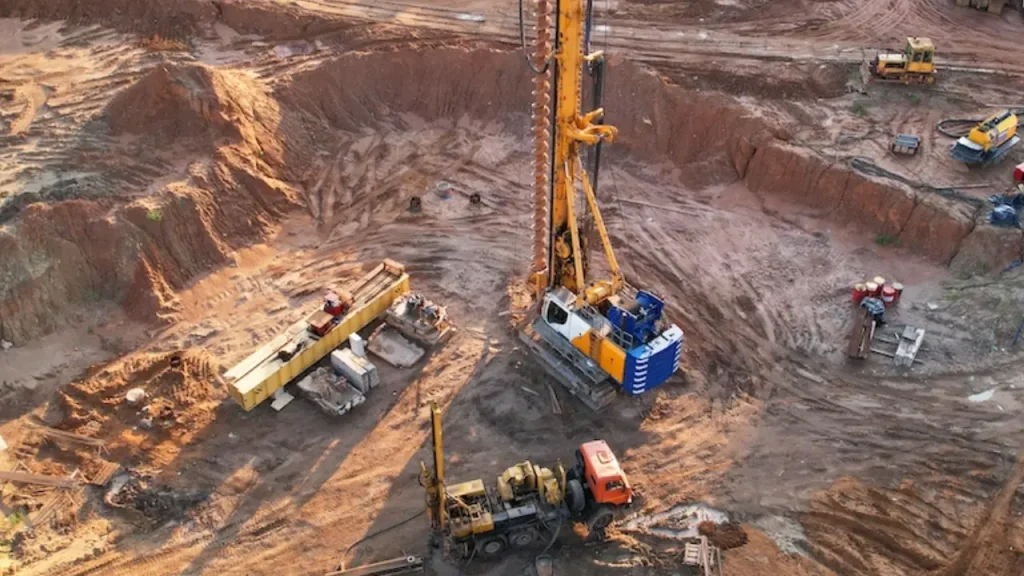
Construction drilling and cutting engineering has become a cornerstone of modern infrastructure development, enabling precise, efficient, and safe building practices. As construction projects grow in complexity, the demand for specialized techniques in drilling and cutting has increased, making it essential for engineers and contractors to stay informed about the latest technologies, methods, and best practices. These techniques not only improve structural integrity but also optimize project timelines and cost management.
Drilling in construction refers to the process of creating holes in various materials, including concrete, steel, stone, and wood. It serves multiple purposes, such as installing utilities, reinforcing structures, or preparing for anchor placements. Construction drilling and cutting engineering focuses on applying these methods with precision, using advanced machinery and tools designed to handle diverse materials and conditions 鑽切工程. The choice of equipment, drilling method, and cutting technique depends on factors such as material hardness, project scale, and environmental conditions.
One of the most significant innovations in construction drilling and cutting engineering is the development of diamond-tipped and carbide drill bits. These tools provide enhanced durability and precision, enabling contractors to drill through hard materials like reinforced concrete and granite with minimal wear and tear. Diamond drilling, in particular, reduces the risk of material cracking and ensures smooth, accurate holes. Engineers often use computer-aided drilling systems to further enhance accuracy, especially in projects requiring exact alignment or structural reinforcement.
Cutting engineering in construction complements drilling by allowing materials to be shaped, removed, or modified according to design specifications. Techniques such as wire sawing, water jet cutting, and laser cutting have revolutionized the industry. Wire sawing, for instance, employs diamond-embedded cables to cut through reinforced concrete or stone efficiently. Water jet cutting uses high-pressure streams of water combined with abrasive particles to produce precise cuts without generating heat, making it suitable for sensitive materials. Laser cutting, while more common in metal fabrication, offers high precision and is increasingly applied in construction projects that require intricate detailing.
Safety considerations are paramount in construction drilling and cutting engineering. High-speed equipment, heavy machinery, and dust or debris exposure pose risks to workers if not properly managed. Modern projects implement strict safety protocols, including personal protective equipment, dust suppression systems, noise control measures, and real-time monitoring of machinery. Proper training in equipment handling and cutting techniques is essential to minimize accidents and ensure consistent project quality.
Efficiency and productivity are major drivers for advancements in drilling and cutting techniques. Automated and semi-automated machinery reduces manual labor, accelerates project timelines, and improves precision. Computer Numerical Control (CNC) technology allows engineers to program exact drilling patterns and cutting paths, ensuring uniformity and minimizing human error. This level of control is particularly valuable in large-scale construction projects, such as bridges, tunnels, and skyscrapers, where even small deviations can have significant consequences.
Environmental considerations are increasingly integrated into construction drilling and cutting engineering. Noise reduction technologies, dust control measures, and energy-efficient machinery help reduce the environmental impact of construction activities. Water recycling systems used in wet cutting processes and the careful disposal of construction waste contribute to sustainable practices. Engineers are also exploring eco-friendly materials and methods to further minimize resource consumption while maintaining precision and performance.
Specialized construction projects, such as tunneling, high-rise buildings, and industrial facilities, demand advanced drilling and cutting solutions. For instance, horizontal directional drilling enables underground utility installation with minimal surface disruption, a method widely applied in urban construction. Core drilling allows engineers to extract precise material samples for testing, ensuring that structures meet safety and durability standards. Cutting-edge laser and plasma technologies facilitate complex structural modifications, such as creating openings for elevators or HVAC systems in dense concrete walls.
Collaboration between architects, engineers, and contractors is critical in construction drilling and cutting engineering. Detailed planning ensures that drilling and cutting operations align with design specifications and structural requirements. Pre-construction analysis using 3d modeling, material testing, and simulation tools helps identify potential challenges and optimize methods. This integrated approach reduces rework, prevents structural damage, and enhances overall project efficiency.
Technological advancements also influence workforce skills in the construction sector. Engineers and operators must be proficient in handling sophisticated machinery, interpreting digital plans, and applying precision cutting techniques. Training programs and certifications in advanced drilling and cutting methods are becoming standard requirements for professionals in modern construction projects. This emphasis on skill development ensures that projects maintain high standards of quality, safety, and efficiency.
Maintenance and quality control play crucial roles in construction drilling and cutting engineering. Regular inspection of drill bits, cutting tools, and machinery ensures optimal performance and prevents costly downtime. Calibration of equipment and monitoring wear patterns extend tool life and improve operational accuracy. High-quality tools combined with meticulous maintenance protocols contribute to consistent results across diverse construction environments.
Cost management is another important factor in construction drilling and cutting engineering. While advanced machinery and technology may involve significant initial investment, the long-term benefits in efficiency, accuracy, and safety often outweigh these costs. By minimizing material wastage, reducing labor-intensive processes, and preventing structural errors, modern drilling and cutting techniques can lead to substantial cost savings over the lifecycle of a project.
Global infrastructure trends have increased the demand for innovative drilling and cutting solutions. Urbanization, renewable energy projects, and large-scale commercial developments require precise engineering methods to meet strict timelines and structural standards. Construction drilling and cutting engineering continues to evolve to address these challenges, with ongoing research into stronger materials, faster equipment, and more efficient techniques.
In addition to traditional construction applications, drilling and cutting engineering are increasingly applied in restoration and renovation projects. Precise removal of damaged concrete, cutting of reinforced walls, and controlled drilling for retrofitting old structures allow engineers to maintain structural integrity while modernizing facilities. This versatility makes construction drilling and cutting engineering an essential component of both new builds and renovation efforts.
Ultimately, construction drilling and cutting engineering represents a blend of science, technology, and skilled craftsmanship. By employing advanced tools, innovative techniques, and rigorous safety standards, engineers can achieve precision, efficiency, and durability in modern construction projects. From large-scale infrastructure developments to specialized industrial applications, these engineering practices are fundamental to building structures that are safe, sustainable, and resilient.